A core swatch tells you what is inside a paddle. It does not tell you whether your customers will be able to land a third-shot drop or whether they will want more pace on a drive. I start with the shot the brand wants its customers to trust, then compare two finished samples that make the core difference as easy as possible to feel.
I compare control, power and durability. If touch and placement come first, I would start with an EPP foam-core sample. If the customer wants a livelier power feel, I would also try a PP honeycomb build. In my experience some PP honeycomb constructions can crush or develop a soft spot in use, while EPP foam constructions often hold up longer. That is a starting judgment, not a service-life promise: the structure, other materials and actual use still decide how the paddle performs.
Here is how I narrow that decision down before a brand puts its name on the paddle: decide what the line should do, make a comparison that means something, look for changes after use, then approve the build the buyer actually wants to reorder.
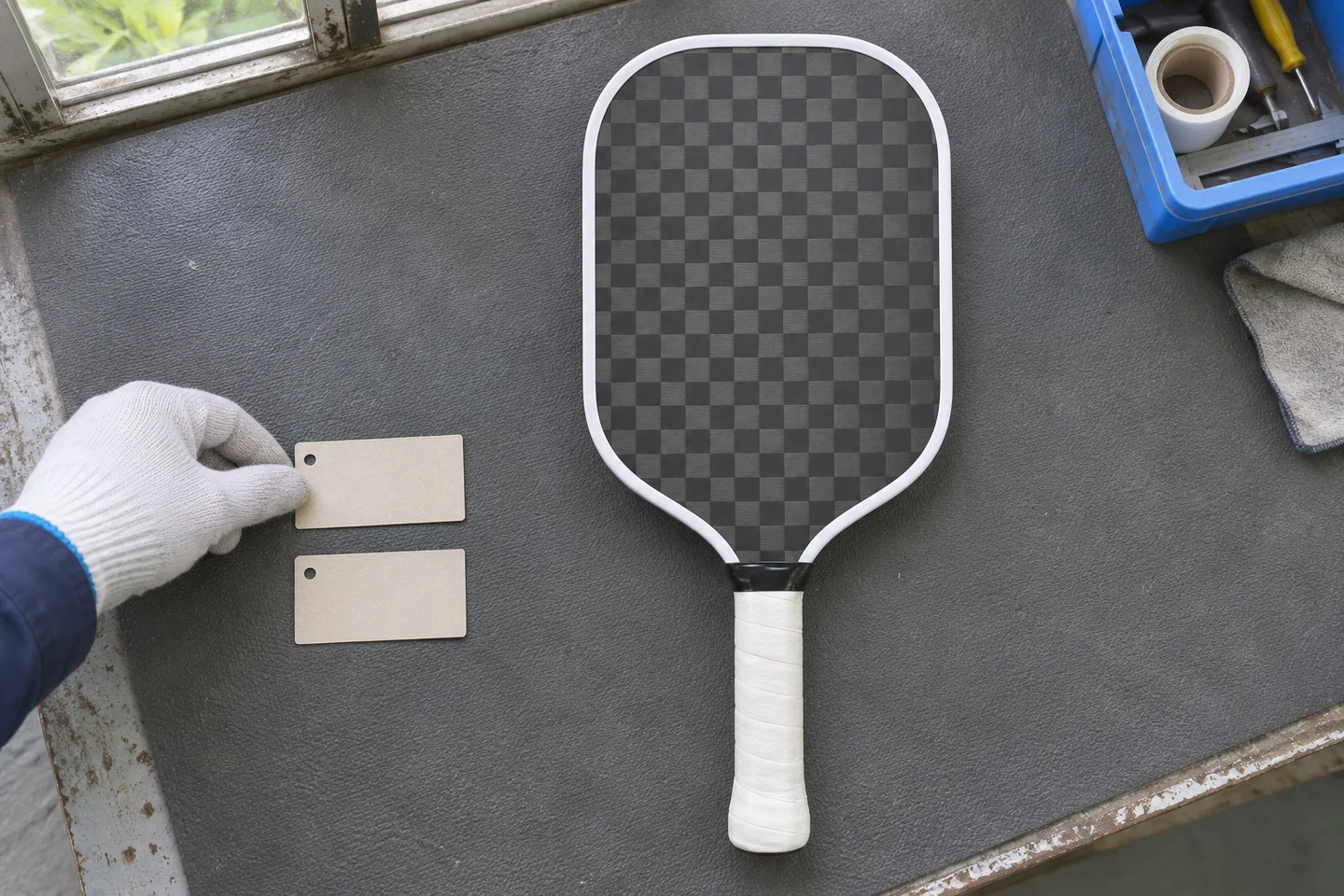
Which Core Should I Sample First for My Customers?
If most of your customers are learning to reset a fast ball, I would not let one strong hitter choose the entire line on the strength of a baseline drive.
Start with EPP foam when control comes first, or PP honeycomb when a lively response is the goal. Ask which shots your customers actually play, then use that answer to choose the first sample.
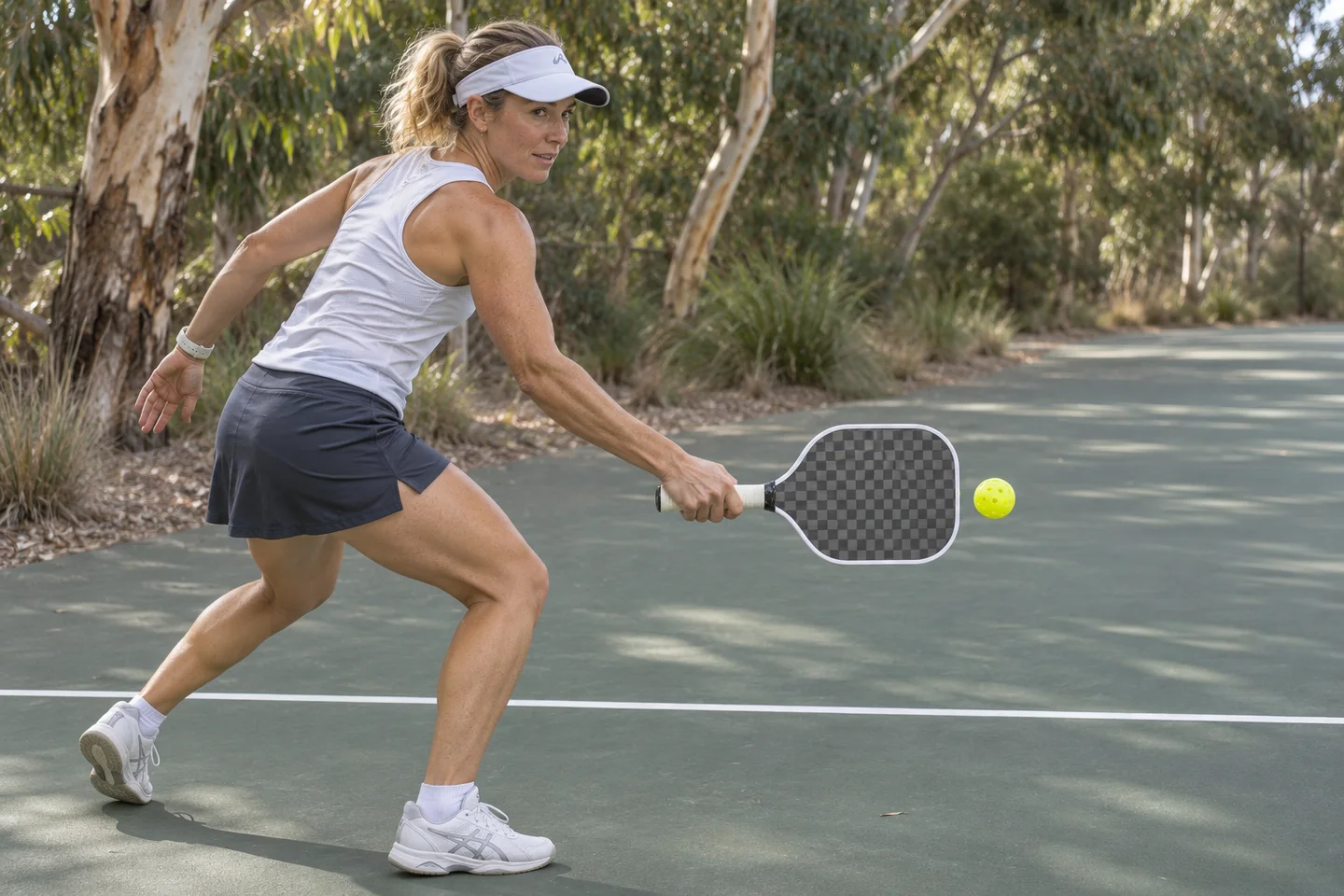
Describe control as a shot, not a sticker
“Control” can mean keeping a soft ball low, landing a reset in the kitchen, or placing a mid-pace ball into an opening. Those actions are not interchangeable. A buyer who says “more control” without telling me where a shot goes wrong could be asking about the paddle’s feel, but they could also be asking about reach, grip comfort or how easily the paddle moves in front of the body.
I ask for one failure the player actually notices. If an ordinary block keeps floating too high, a demo should include blocks against a repeatable feed. If a forehand drop repeatedly lands too deep, ask players to compare depth rather than just what feels soft in the hand. I would put the EPP sample on the court first, but I would keep the honeycomb sample close enough to make the comparison.
Compare power without rewarding a different swing
Power is easiest to misread when the faster swing always belongs to one player or one paddle. Keep the same player and shot target. Ask whether the ball carries enough pace on a comfortable swing, not whether one person can hit a hard shot with each sample. A useful power candidate gives your customers something they can repeat and still place.
A PP honeycomb sample is where I would start for buyers who want that immediate lively response. It is not a rule that a honeycomb paddle must hit harder than a foam paddle. The face, perimeter and assembly all matter. Start from the same 12K carbon face option for both samples if the project allows it; otherwise what looks like a core decision may actually be a decision about the surface or layup.
Give the first trial a single job
One concern from an Australian specialty-store buyer was that the paddle they were considering felt good on a hard drive, but their lesson customers did not buy a paddle for that shot alone. In September 2026, we talked through an opening trial of 30 paddles in shape 003, with a 12K carbon fiber face. Their question was whether to put the livelier or more forgiving build into a shared shop demo bag.
I suggested comparing a C09 carbon-wrapped EPP core with a 20 mm EVA rim with a C14 Gen 3 standard PP honeycomb core on 16 mm sample builds. The rim dimension was not the finished thickness. Rather than decide the whole 30-paddle trial on the first few drives, the buyer put the EPP option first in sample review and kept the honeycomb build as the power comparison. That was a sample decision, not a production order.
| What customers want to do | First sample to consider | What to look for on court |
|---|---|---|
| Keep resets and blocks below attack height | EPP foam | Where ordinary feeds land without a hard grip |
| Send drives deep with a comfortable swing | PP honeycomb | Whether added pace still leaves room for placement |
| Do both with one paddle | Both, on comparable builds | Which drawback frustrates the target player more |
How Can I Make a Fair Foam-versus-Honeycomb Comparison?
The last thing I want is one paddle with a longer handle and a different face passing for evidence that one core has better touch. A buyer may prefer it, but the supplier has not yet shown why.
Match the major build choices or identify the differences on purpose. If your samples use different wraps, weights or edge structures, call it a comparison of two constructions, not of the core alone.
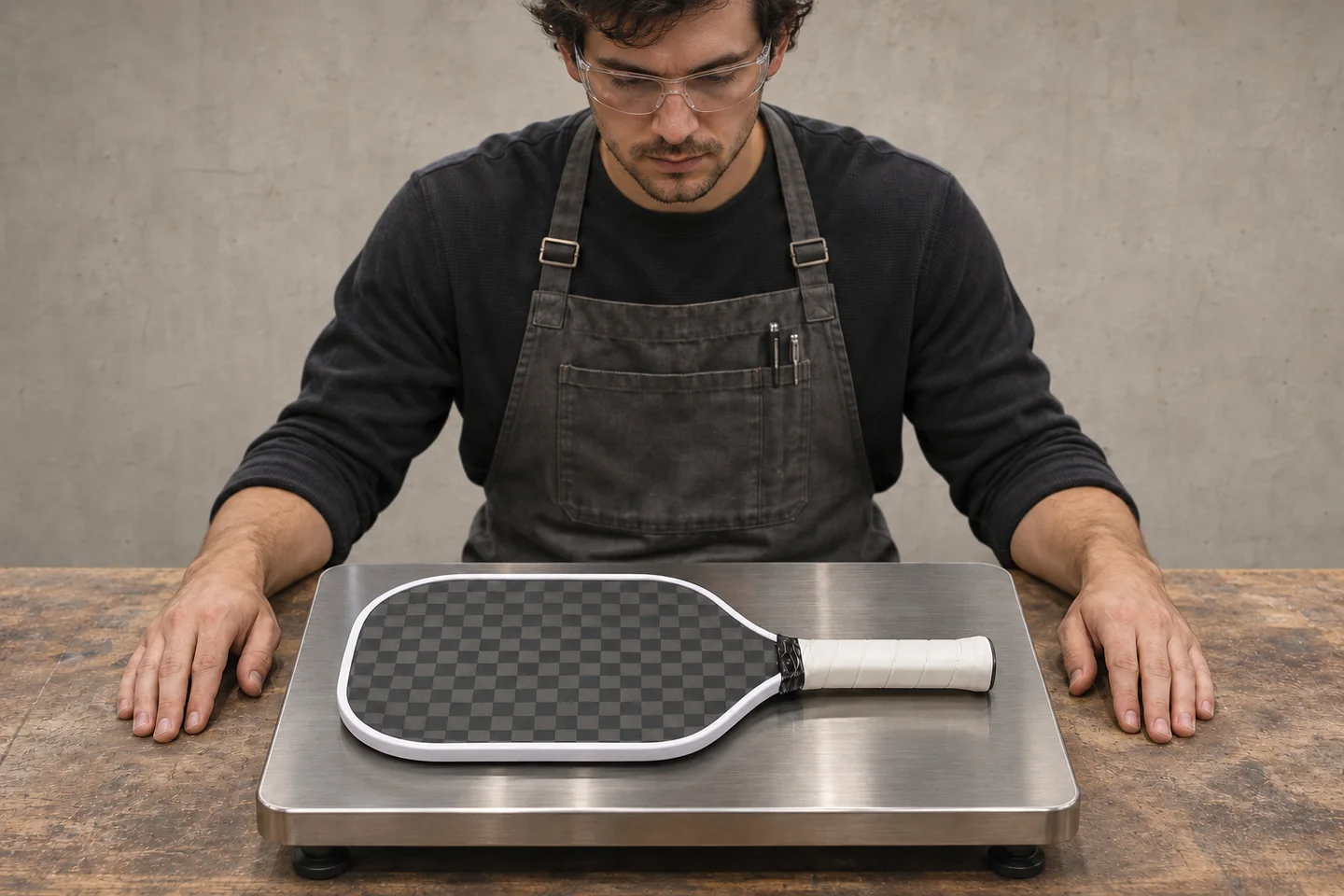
Read the center and the perimeter separately
EPP stands for expanded polypropylene. A particle-foam material such as EPP 1 is not the same construction as a polypropylene sheet formed into cells. And a honeycomb paddle can still contain foam around the perimeter. The word “foam” in a description does not tell you which material occupies the center of the hitting area.
A sandwich panel’s faces and core work together 2, which is why I ask for a center description and a separate edge description. A broad “foam vs. honeycomb” comparison gives you a place to begin. The core and shape configuration options help turn those two words into the actual builds you want to discuss.
Keep shape, face and thickness close
If a buyer asks me whether a lighter-feeling foam paddle proves that foam is easier to maneuver, I check the shape, handle length, finished mass and balance before I credit the core. A larger head or a heavier perimeter may be enough to change the answer. I would not ask the buyer to pay for a trial that leaves all of those differences unidentified.
Use the same shape, planned face finish, grip format and nominal thickness wherever possible. Ask that actual samples be identified so players know afterward which one they preferred. Allow for the features that genuinely cannot be held constant, like the material at the rim in a particular catalog construction. If the finished weights vary enough to notice, record that difference before play, not after picking a favorite.
Rotate the samples instead of rotating the criteria
Use the same ball type, court and target for a short block of shots. Start one player on foam and a second on honeycomb, or switch the order after a break. Not every quick court check needs laboratory treatment; the point of changing the run order 3 is that the second sample should not always benefit from a warmed-up player.
Record observations such as “short resets stayed low” or “the drive went long when I swung normally.” Do not have a player fill out a dozen attributes if the brief has only two priorities. If two players disagree, look first at how they play. Their disagreement might tell you there are two different customers, not that one of them assessed the product incorrectly.
| Keep comparable | Why it matters | If it has to differ |
|---|---|---|
| Head shape and handle | Reach and leverage can change how a swing feels | Compare complete builds, not just cores |
| Face finish and nominal thickness | Touch can change without a core change | Note the difference before the first shot |
| Finished mass and balance | A sample may feel slower to move even with the same shape | Record both; don't credit the core alone |
| Ball, court and feed | They can change how a shot behaves | Repeat the comparison under the same conditions |
What Should I Watch for as the Samples Wear?
A fresh sample can feel great for an afternoon. Reorders depend on what happens after the paddle has spent some time in a player's bag and on the court.
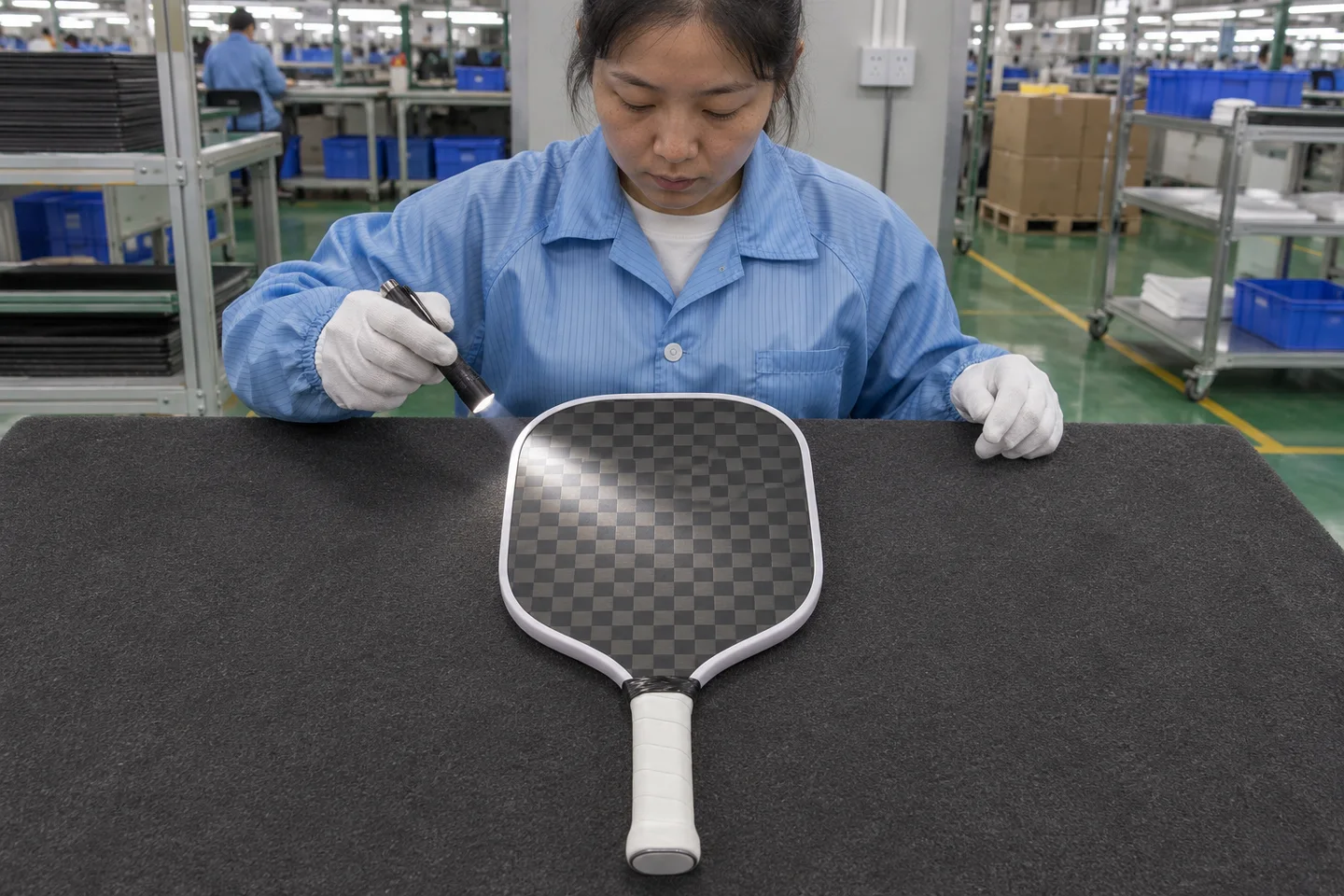
Inspect each sample at the start and compare it with its own baseline after ordinary play. Watch for a changed sound, a localized soft spot or a loss of consistency, then narrow the possible causes before recommending a different core.
Separate a symptom from a diagnosis
In my experience a PP honeycomb build can develop a locally crushed area after use. It may show up as an area that no longer responds the same way. But a dull sound on a particular shot is not a diagnosis. I would also check the edge guard, the face and any visible impact damage, and reproduce the issue with the same ball and shot before telling the buyer the core has failed.
EPP is a good material to consider when retaining feel over use matters. Its formulation is not uniform, and experimental work on EPP compression 4 shows why density and loading belong in the conversation. The study is about foam specimens, not a finished paddle life test. A foam build can still wear, and the face bond or perimeter can still become the weak point.
Retest in the area that raised the concern
If a shop tells me a demo paddle has gone soft, I ask where and after what sort of use. A paddle hit near the edge every day in a shared demo bag has a different history from a private paddle played twice. The useful next step is to mark the area in a photo and compare response at the same place on a similar sample that has seen less use. I would not promise a replacement recommendation before we know what changed.
I would rather have the buyer tell me two paddles became inconsistent in the upper corners after several club sessions than hear that “the core doesn't last.” The first report locates the problem and can guide a change to the complete build. The second could mean a surface mark, a loose edge or a different ball. The distinction helps avoid a fresh round of samples that changes the wrong part.
Distinguish bench checks from field life
The factory can compare a physical sample and use the manufacturing and inspection process to discuss visible finish, fit and build details. Court use answers a different question. Keep one known sample aside and record what changed, if anything, on the paddle that stayed in rotation. Do not turn a few play sessions into a promise that buyers will get a fixed number of months.
If tournament eligibility matters to the line, review the applicable USA Pickleball equipment requirements 5 for the intended market and model. A seller's performance comment, a factory inspection or an approved paddle from another brand does not make your new construction approved. If sound is a purchasing criterion for a club, check its venue rule and the separate acoustic equipment category 6 where relevant, rather than assuming that foam has a universal sound profile.
What Should I Approve Before Placing the First Order?
A buyer can prefer the foam sample and still leave the factory guessing about which foam build to quote. “Foam, like the demo” is not enough if the material at the rim or the grip treatment changed between samples.
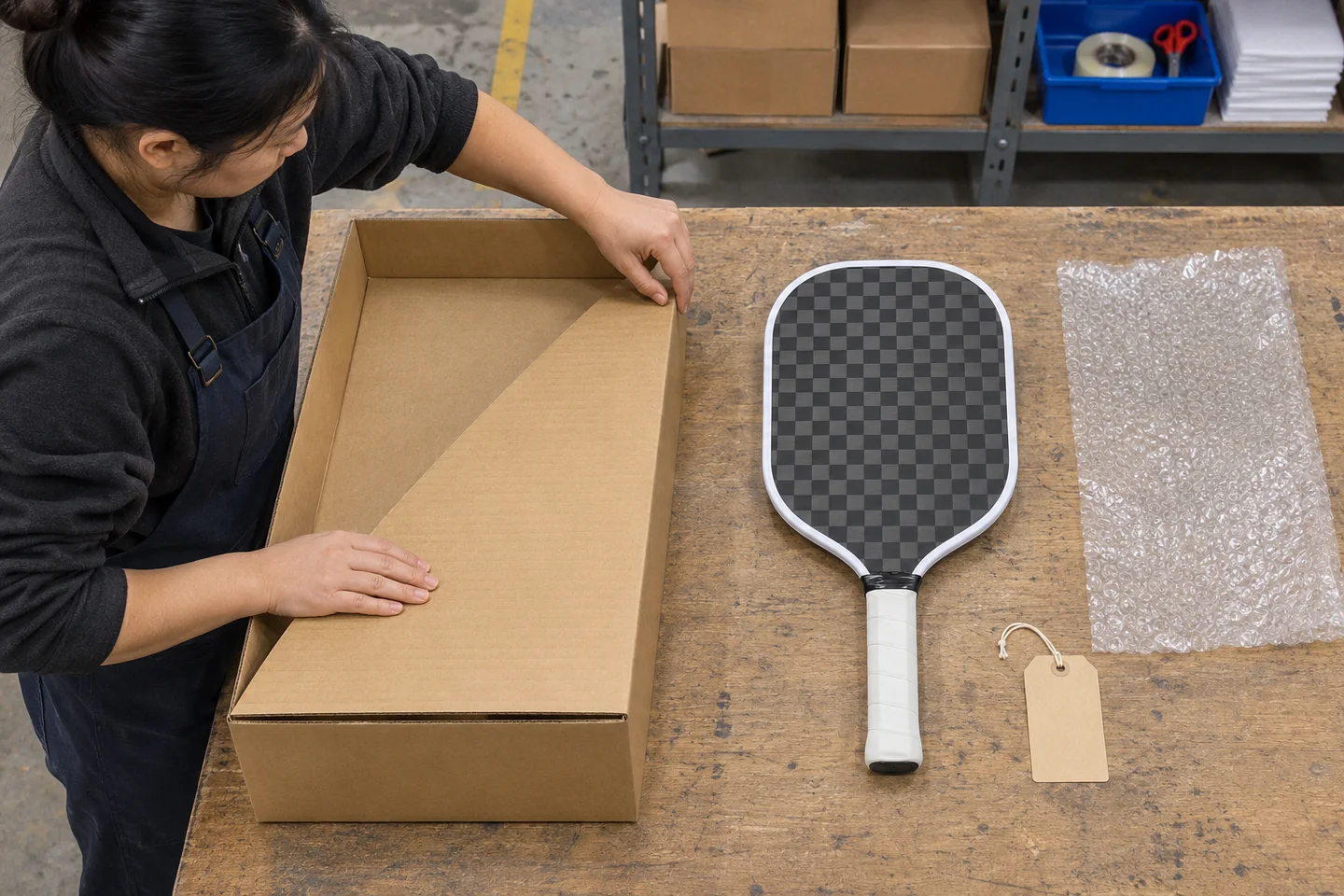
Approve the physical sample against the face, exact core and perimeter, shape and thickness you tested. Ask the supplier to identify exceptions and quote the intended build before you commit to a first run.
Approve the sample, not a family name
When a buyer asks whether another foam layout can be substituted without changing the paddle, I put the proposed layout next to the sample and identify what changed. A different perimeter, a different face layup or a new balance target means the buyer should decide whether to compare another sample. If the launch depends on the original feel, I would keep the selected build in the first quote and list the alternative separately.
A concise brief can cover what was selected without pretending every production variable is settled. Our sample-to-production checkpoints are useful when the team's reference has to pass from play testers to the person buying the first batch. The one detail I would not leave implicit is which physical sample they approved.
Ask which commercial terms change with the build
Ask whether a different core changes sample pricing, batch quantity or schedule, and have the supplier confirm these for the project. Do not compare a quote for a finished foam paddle with a quote for an unbranded honeycomb body. If the first order is meant to serve a single shop or a group of clinics, the lowest quote will not help if the accepted sample and the production version are not the same construction.
| Buyer confirmation | What to supply | What to request |
|---|---|---|
| Build to quote | Sample identifier; face, exact core/perimeter, shape and thickness | Clear description of the construction in the quote |
| First sales channel | Target player, expected batch size and packaging needs | Separate sample and first-order terms |
| Substitution rule | Which details can change and which cannot | Discussion and a new comparison if a material change affects the selected build |
Keep the first order focused on what you learned
If the foam sample won because club players kept more returns in play, say that in the brief. It tells the factory what the build is trying to preserve. If the honeycomb sample earned the first run because the intended customer liked its response on drives, write that instead. The reason matters more than letting a brochure claim pick the production spec.
A material data sheet still has a role. A supplier’s expanded polypropylene product information 7 helps you ask what grade is being proposed. If the honeycomb construction uses a named industrial core, an industrial plastic honeycomb guide 8 helps distinguish the material and structure from the finished assembly. Neither replaces the sample your customers handled.
Conclusion
I start with EPP when a buyer needs dependable touch, and I include PP honeycomb when a livelier response is part of the brief. I judge durability on the complete paddle and how it is used. Some honeycomb structures can develop crushed areas over time; EPP often holds up longer in my experience, but the rest of the construction still has to do its part. Approve the build the players preferred after use, not the most impressive name printed on a spec sheet.
Start with our custom 12K carbon pickleball paddle. Send your target player, the shot they want to improve, intended shape and thickness, which core layouts you want to compare, and the approximate first-run quantity. Include your current paddle if you have one as a benchmark.