An attractive ODM paddle can save development work, but its appearance alone does not tell me whether your brand can safely sell it. I want to separate the name on the face from the shape and the technology inside before we commit to a design.
Start by checking whether your proposed trademark is already registered or used for relevant goods. We can help search the proposed design as well; a clean initial trademark search makes ordinary branding easier to discuss, but it does not establish that the paddle is free of design, copyright or patent risk.
The practical decision is not whether one search produces a comforting answer. It is what to check, what to ask the supplier for, when to obtain specialist advice and which version can move to sampling.
Which rights should I check before choosing an ODM paddle?
A buyer may send one photograph and ask whether the whole paddle is “patented.” I separate the visible brand, shape, artwork and construction because each calls for a different check.
Check the trademark, product appearance, artwork and technical features separately, in every market where you plan to make, import or sell the paddle.
Start with the brand, not just an exact name
For New Zealand, begin with the proposed word, logo and relevant goods using the separate search facilities on the IPONZ register 1. I would also look at similar spellings, sounds and visual elements rather than stopping after an exact match. A name that looks clear in one search may resemble another mark when a customer hears it or sees it on related goods.
If the initial check raises a close match, I recommend holding the printed logo rather than buying packaging around it. We can keep discussing the paddle configuration while you obtain advice on the name. That separates a branding decision from a product decision and can prevent a late artwork change from reaching every item in the order.
Identify what a design search actually examines
The shape of the head, shoulders and handle, and the arrangement of surface decoration, are visual features. Industrial design rights 2 concern appearance, whereas a patent addresses a technical solution. Depending on the jurisdiction, other rights may also matter. The same paddle can therefore require more than one kind of review.
| What you are checking | Useful starting material | Decision it informs |
|---|---|---|
| Brand name and logo | Proposed word, logo and sales markets | Whether to continue with that branding or seek advice first |
| Paddle appearance | Front, back, side and edge views | Whether a similar protected design needs closer review |
| Technical feature | Description of construction and relevant documents | Whether a patent specialist should assess the feature |
| Artwork | Original files and permissions | Whether the proposed graphics can be used for this product |
Keep the market list honest
New Zealand can be the first search, but it should not silently stand in for Australia, the United States or another sales destination. Rights and their scope depend on the jurisdiction. If manufacture happens in one country and sales in another, give your adviser both locations and the intended activities. A search result should be described by its territory and date, not as “worldwide clearance.”
The US trademark clearance guidance 3 illustrates why a broader search may include similar marks and other sources beyond a federal register. It is useful if the US is on your expansion list, but it is not a substitute for a New Zealand assessment.
How should I compare the proposed appearance with existing designs?
A single face-on catalog image can hide the edge and shoulder details that distinguish two paddles. I ask for enough views to compare the actual proposed shape before treating a logo change as a solution.
Compare the whole proposed appearance against relevant results, retain the views and search terms, and pause a close match for qualified review rather than promising that a small change makes it safe.
Give the supplier a complete visual reference
A Thai distributor raised a practical concern in May 2026: the ODM outline looked close to a paddle already being sold, although he wanted to use a different brand. I asked for the competitor image and the views of the proposed paddle so we could identify the shape as well as the printed face. We kept the artwork decision separate while the outline was checked.
The enquiry concerned 100 paddles in shape 008, with 3K carbon fiber faces, a C10 Split-Handle MPP–EVA Foam Core and 14 mm thickness. After the comparison, he held the disputed outline for further advice and asked us to discuss another available shape rather than assuming that a new logo would solve the question.
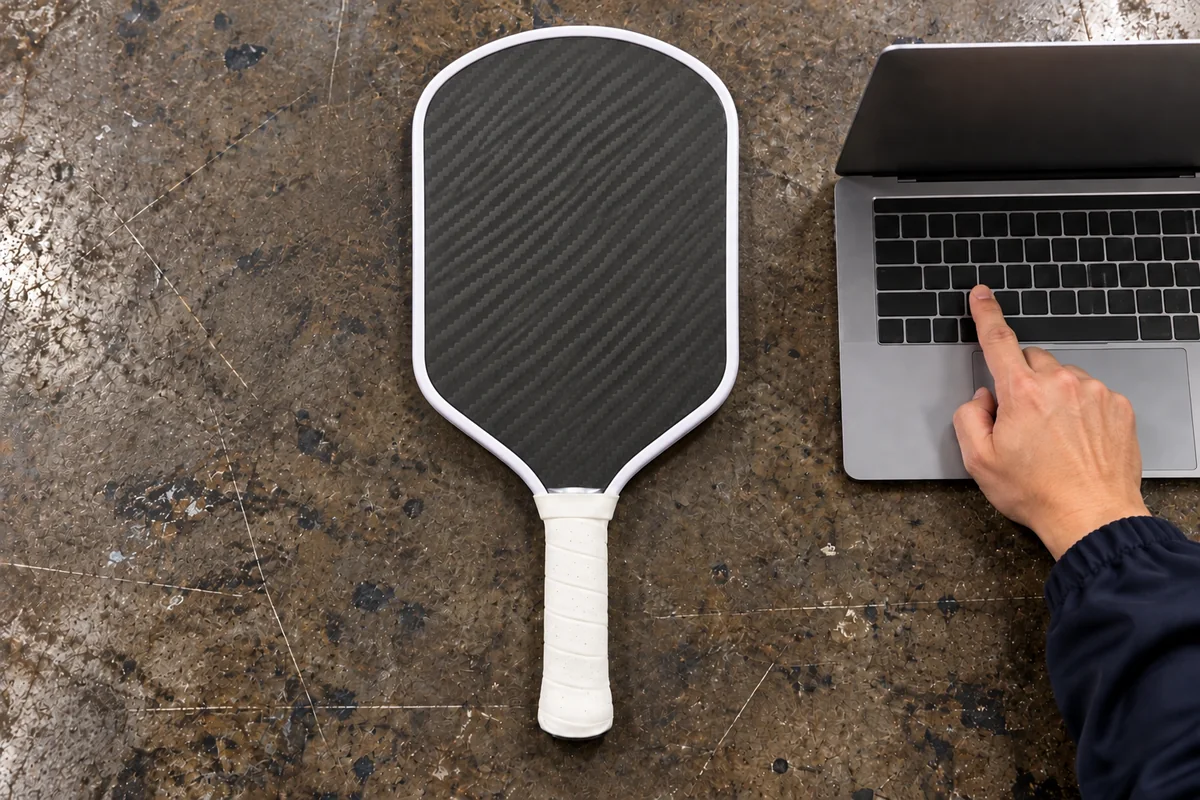
For your own comparison, ask for the front and back, both edges, a side view and the handle-to-head transition. Include a clean view without the proposed artwork if possible. With only a marketing photograph, glare or a tilted angle may make the head look shorter or the shoulders wider than they are. Clarify which image represents the actual mold, rather than comparing a rendering from one version with a sample from another.
Search the appearance, not the supplier's product name
A supplier's internal model number may not appear in a design register. Describe the article and its visible features, try related terms and review relevant images. IP Australia's design-search instructions 4 are useful when Australia is a relevant market; for New Zealand, use the design search accessible through IPONZ. Neither country's results alone decide rights elsewhere.
Keep the query, date, territory and promising result numbers with the views you compared. This gives an adviser a starting point and helps the supplier understand the specific concern. It also makes it easier to revisit the search if the design or sales market changes before launch.
Decide what to do with a close result
A similar-looking result is not automatically proof of infringement, and a result with a different logo is not automatically harmless. Check the registered representations, scope, status and jurisdiction with a qualified adviser. Avoid deciding solely from a thumbnail or title. If the risk is unresolved, the commercial choice is usually to pause that outline, consider another available shape or obtain a licence where appropriate.
Our custom paddle options can help frame which visible parts you want to discuss. Changing several elements for a fresh design can have practical consequences: the buyer must approve the new appearance, and a new mold, if needed, requires separate discussion. A redesigned drawing is not legal clearance by itself.
What should I do if the construction may use patented technology?
An ODM paddle can look ordinary while a technical feature inside it is the real question. I do not infer the answer from a marketing name or a photograph of the face.
Describe the feature and the intended product accurately, then have a patent professional assess relevant claims, status and territory before relying on a clearance conclusion.
Ask what the feature actually does
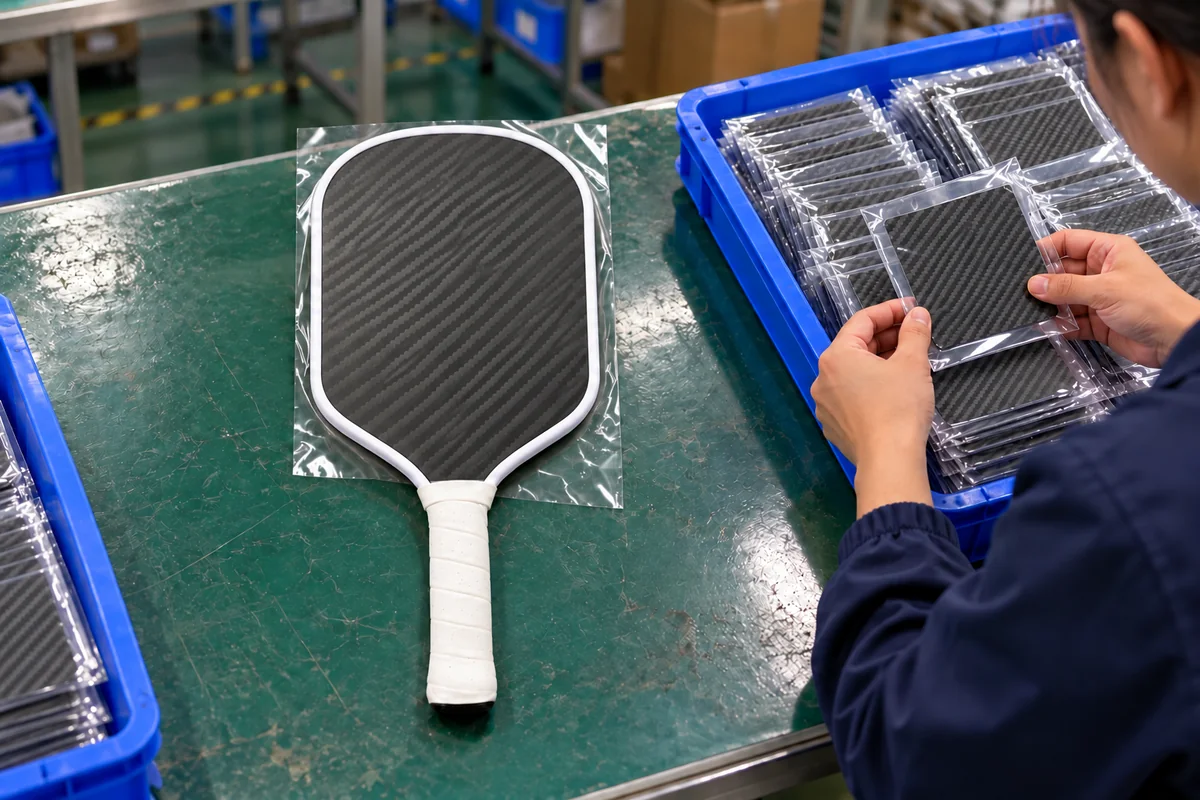
Start with a plain description: is the question about the core, bonding method, edge construction or another mechanism? Ask the supplier to explain the proposed construction and identify the technical documents it can share. Distinguish a general material description from a specific feature. The IPONZ patent overview 5 explains that patents concern inventions and that their rights are territorial.
For example, our 3K carbon fiber paddle page helps a buyer identify a face option, but the face material name alone cannot resolve every construction-related question. The proposed shape, core, thickness and manufacturing details should accompany the enquiry. Do not assume that two paddles with the same surface label have identical internal features.
Read beyond the headline and check status
A patent title or abstract can help find a document; it does not settle the legal scope. Relevant claims, their interpretation, the product's actual features and the status in the relevant territory all matter. The European Patent Register and legal-status information 6 are examples of sources for European cases, not a universal live-status guarantee for every country.
Ask your adviser which jurisdictions and patent families need checking, including pending applications where relevant. An apparently expired record in one territory does not answer whether a related right is in force elsewhere. Nor does finding a patent necessarily mean the proposed product falls within its claims. The commercial response is to identify the feature first, not to reject or approve a whole product from a search snippet.
Choose a route before investing further
When a potentially relevant document appears, I would bring the description and current sample views together and ask what information is missing. If the question cannot be answered from a catalog image, we should not make a confident statement based on it. The buyer can seek professional analysis, discuss a licensed option or ask for an alternative configuration. Which route makes sense depends on the feature, markets, available evidence and advice.
| Finding during the initial screen | Practical next step | Why it matters |
|---|---|---|
| No obvious result | Record the limited search and seek advice proportionate to risk | A search can miss unpublished or hard-to-find material |
| Potentially relevant document | Share claims, status and product details with an adviser | A title alone does not determine the scope |
| A feature cannot be explained | Ask for a clear construction description before choosing | The wrong product description can undermine the review |
| Risk remains unresolved | Consider a different configuration or a licence | Sampling or tooling before the decision may create avoidable cost |
What should I agree with the supplier before sampling and production?
Searches help identify questions; they do not tell the factory which artwork or shape you have finally authorized. I want the buyer and supplier to work from the same approved proposal, with unresolved rights questions kept visible.
Confirm the permitted artwork, selected shape and any mold-use terms in writing, and resolve material changes or open IP concerns before committing to production.
Establish where the artwork came from
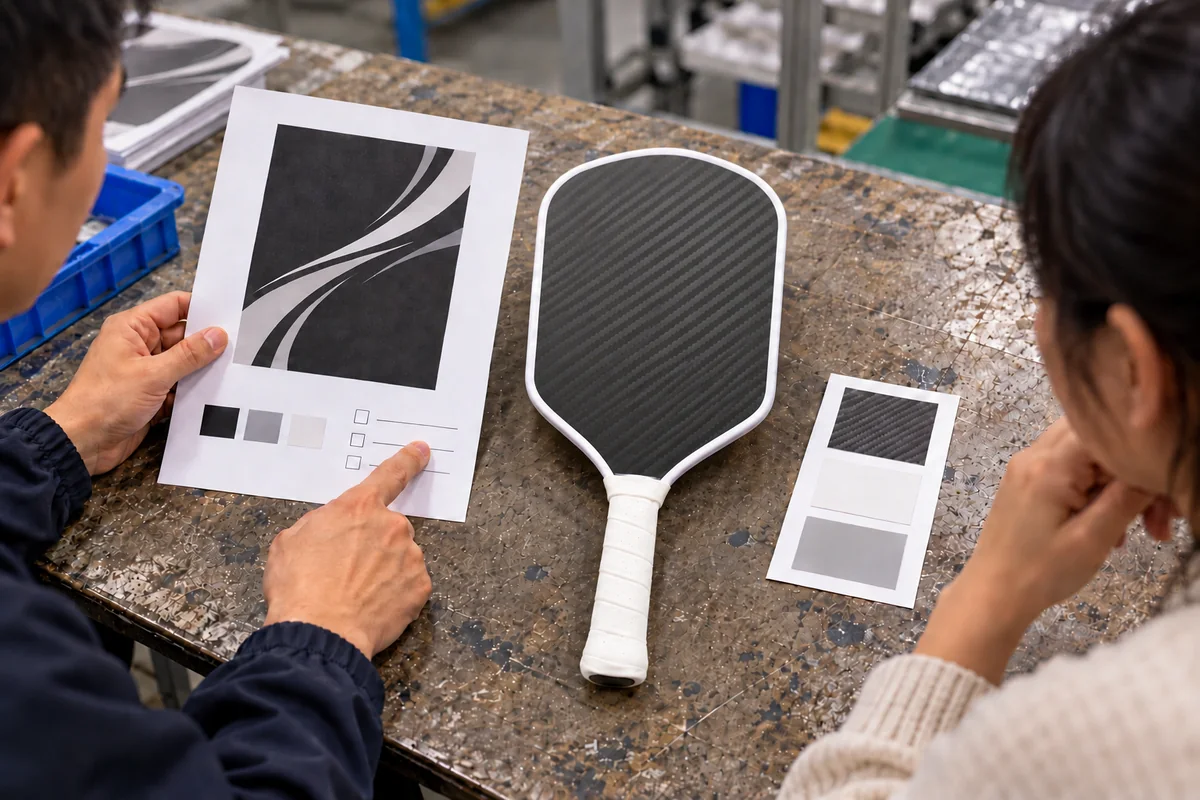
If you supply a graphic, tell us who created it and whether you have permission for this use. A designer's file, a photograph found online and a licensed image are not interchangeable just because they can all be printed. Copyright protection 7 can apply automatically to original works, including drawings and photographs; an absent registration is not permission to copy.
Our designers can help reproduce your supplied design without a design fee. That service does not establish that a third-party image or logo is yours to use. If you want a specific color, provide its Pantone reference as well as the artwork; color matching is a production communication question, separate from the right to use the artwork.
Put access and mold use in the agreement
Ask which elements come from the supplier's existing ODM range and which are supplied or developed for you. If you pay for a dedicated mold, we can discuss restricting its use to your project. Put the agreed use, access, changes and any other commercial terms in writing. Payment alone should not be presented as proof of legal ownership of every design or right; have the agreement reviewed where that distinction matters.
Our manufacturing capabilities page gives context for discussing the proposed construction. It should not replace a written description of the particular mold and configuration. If a supplier cannot explain whether a shape is shared or dedicated, I would clarify that before accepting a tooling charge.
Carry the decision into the sample and order
Use the same views, artwork files and configuration when requesting a sample. If you change the head outline, graphic or technical feature after the search, ask whether that change warrants another review. This is not a demand to repeat every check for an unchanged order; it prevents a clearance discussion about one design from being applied casually to another.
| Before the next step | Buyer and supplier should align on | If unresolved |
|---|---|---|
| Artwork | File, permissions, placement and Pantone reference | Hold the disputed graphic and clarify its use |
| Shape | The actual views and selected mold | Pause that outline or review an alternative |
| Construction | Face, core, thickness and relevant feature description | Obtain the missing detail or professional assessment |
| Dedicated mold | Agreed access, use restrictions and commercial terms | Settle the written terms before the tooling commitment |
A concise custom paddle brief helps keep these choices together. If you plan to protect your own new design, discuss confidentiality and filing strategy before public disclosure. For example, UK business guidance on confidential information 8 discusses agreements and controlling access; the applicable design rules depend on the territory.
Conclusion
Begin with the proposed trademark, then examine the paddle's appearance, artwork and technical features as separate questions. We can help with an initial design search and the production information needed for a comparison. A clear initial search is useful, not a legal guarantee; a qualified adviser can assess the relevant rights and markets before you commit to a disputed design.
Ready to discuss your paddle? Send us your proposed name and logo, artwork permissions, intended markets, front/back/side views, and the shape, face, core and thickness you are considering. Tell us if you need a dedicated mold and what use restrictions you want to discuss.