Paying for a paddle mold can feel like buying control of the whole product. That is where misunderstandings begin. I separate the tool we use, the orders it may serve and the rights the buyer expects to receive before treating a tooling payment as an ownership agreement.
Our existing molds are not reserved for one customer. If you pay to develop your own mold, we can restrict that mold to your orders. Put that use restriction into the contract, then separately agree any required ownership, custody, maintenance, transfer and design-rights terms. Exclusive use of a particular mold does not automatically settle those other questions.
The useful starting point is not a longer paragraph saying “everything belongs to us.” It is a clear decision about what you need to control, followed by an agreement both sides can carry out. These are procurement points to discuss with us and your legal adviser, not a ready-to-sign legal clause.
Do I Need My Own Mold or Can I Use an Existing One?
A distinctive brand does not always need a new paddle outline. Paying for tooling before deciding what must change can put money into a shape that solves the wrong problem.
Use our existing mold when its shape meets your project needs and shared use is acceptable. Discuss a customer-funded mold when the required shape or dedicated-tool arrangement justifies a separate development decision; test the product direction before committing to that expense.

Find the reason behind the tooling request
The Australian brand owner wanted to know whether adding her logo meant the paddle mold would become hers. In May 2026, she was comparing a familiar catalog shape with a sketch for a different outline. I explained that buying branded paddles from an existing mold did not reserve that mold for her company.
Her initial enquiry covered 60 paddles using shape 004, 12K Carbon Fiber faces and the C08 Gen 5 Carbon-TFP Reinforced Honeycomb Core, at 14 mm thickness. Rather than treating the whole enquiry as a new-mold project, she requested five samples of that existing configuration and kept the altered outline as a separate development discussion. The sample request did not authorize a new tool or commit her to the larger order.
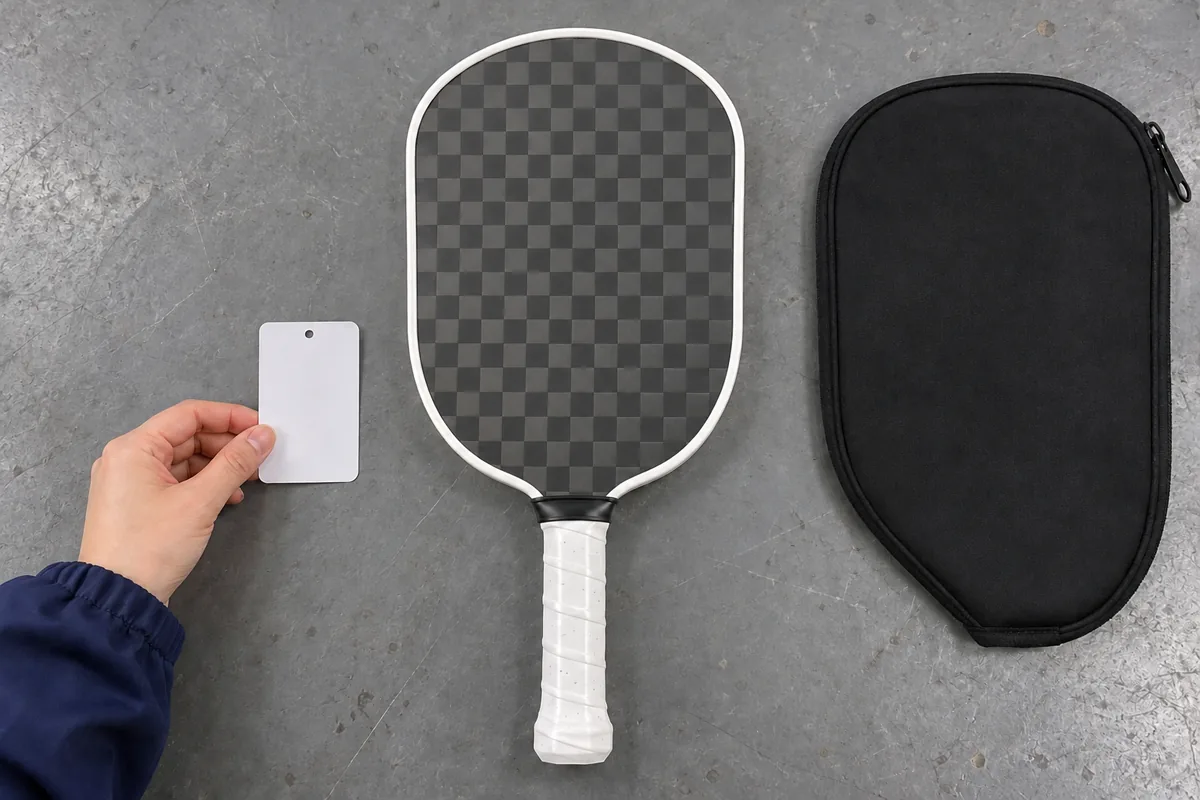
Our 12K carbon fiber paddle gives that discussion a specific face option. The mold is only one part of the product: face material, core, thickness, grip and artwork still need agreement. Paying for one part should not hide decisions about the others.
Try the shape before buying exclusivity
Handle space and the way the outline feels during play are practical reasons to evaluate an existing sample. A photograph cannot answer every handling question. Ask your intended players to use the sample and explain the particular feature they want changed, rather than treating a different silhouette as proof of a better product.
A forehand practice session can reveal a preference that is difficult to describe from a drawing. That observation helps define the development request; it does not establish a performance advantage for the proposed mold. Keep the distinction between a player's preference and a measured claim. If the existing outline works, the buyer can focus spending on the parts that actually need customization.
The available customization options help separate a shape decision from surface graphics, grip and finishing choices. A new graphic is not, by itself, evidence that a new physical mold is necessary. Ask us which requested changes affect tooling before approving a tooling line on the quotation.
| Your main requirement | Starting discussion | What not to assume |
|---|---|---|
| Existing shape with your artwork | Existing mold and branding specification | The mold becomes exclusive to your brand |
| A different physical outline | Feasibility, development scope and separate tool proposal | A drawing automatically includes a finished production mold |
| A tool used only for your orders | Customer-funded mold and written use restriction | Every legal and operating right is included automatically |
Decide what makes the expense worthwhile
Write down the feature the new mold must deliver and the business reason for needing it. That keeps the conversation useful when a quotation arrives. A shape change, a dedicated tool and ownership of engineering files are different requests, even when the buyer wants all three.
A design right concerns a product's appearance 1, which is a separate question from possession of the manufacturing tool. If protecting the appearance is your real objective, discuss the appropriate protection with a qualified adviser rather than relying on the mold invoice alone.
Which Rights Should the Mold Agreement Separate?
“Ownership included” sounds reassuring until one side means the metal tool and the other means every drawing, product shape and future revision.
Name the physical mold, its permitted use, where it will be kept and any design or file rights separately. Ask for an express answer to each requested right instead of assuming a tooling fee transfers the entire development package.

Start with the physical object
When a buyer points to a finished paddle and asks for ownership, I ask which object the request covers: the forming mold, another custom component tool or the product design. I separate those items before discussing rights because one photograph cannot identify everything used to make the paddle. The buyer can then request terms for the actual tool rather than an undefined collection of equipment.
An attachment should identify the proposed tool by an agreed description and, when available, its own reference and images. Keep the relevant shape drawing alongside it. Do not use the general product name as the only identifier when several sizes or revisions are under discussion. A clear description helps both sides recognize the asset without turning the contract into a manufacturing manual.
Custody is another line. A tool can be held at a factory without that fact answering who legally owns it or who may authorize its use. If physical ownership matters to your investment decision, ask for the ownership position and any conditions to be expressly agreed before payment. Our confirmed customer-funded-mold policy establishes restricted use; it is not a blanket statement about legal title.
Keep intellectual property distinct
The drawing, the brand artwork, existing manufacturing knowledge and the tool are not interchangeable assets. Background intellectual property 2 deserves specific attention when a supplier brings existing work into a project. Ask what is pre-existing, what is newly developed and which rights you need to use the resulting product.
For an Australian buyer, entitlement to a registered design 3 can involve the designer, contractual relationships or an assignment. That is not a shortcut for interpreting a China-based tooling agreement. Your adviser needs the actual facts, governing terms and intended markets before deciding what documents are required.
Do not expand a tool-use restriction into a promise that no unrelated supplier anywhere can make a similar-looking paddle. Our agreement concerns what we undertake to do. Any wider protection of the design needs its own assessment and strategy.
| Separate subject | Question to settle | Evidence or attachment to discuss |
|---|---|---|
| Physical tool | Who owns it, and on what agreed conditions? | Tool description and ownership wording |
| Permitted production | Whose orders may this tool serve? | Customer identity and use restriction |
| Custody and access | Where is it held, and what access is agreed? | Custody and inspection arrangement |
| Drawings and design rights | What rights and files are included? | File list and express rights provisions |
Read the proposal as a set of promises
A general statement about contract scope, payment and intellectual property terms 4 is useful only when the actual document identifies what each party must provide. Check whether the quoted amount covers development, the tool itself, samples or a combination. Ask for unclear items to be separated rather than filling the gaps with your expectation.
I would rather resolve one missing ownership answer before the project starts than let two incompatible understandings survive until the next order. Send your required rights as negotiating points. We can then distinguish an agreed commitment from a point still requiring commercial or legal discussion.
How Do I Make Exclusive Tool Use Clear in Practice?
A restriction is hard to apply if no one can identify the tool or the customer whose orders are permitted.
Connect the customer-funded mold to an identifiable tool and a named customer's orders. Define the permitted use clearly, and address any requests concerning affiliates, subcontracting, copies or revised tools separately instead of leaving them implied.
Connect the tool to the order
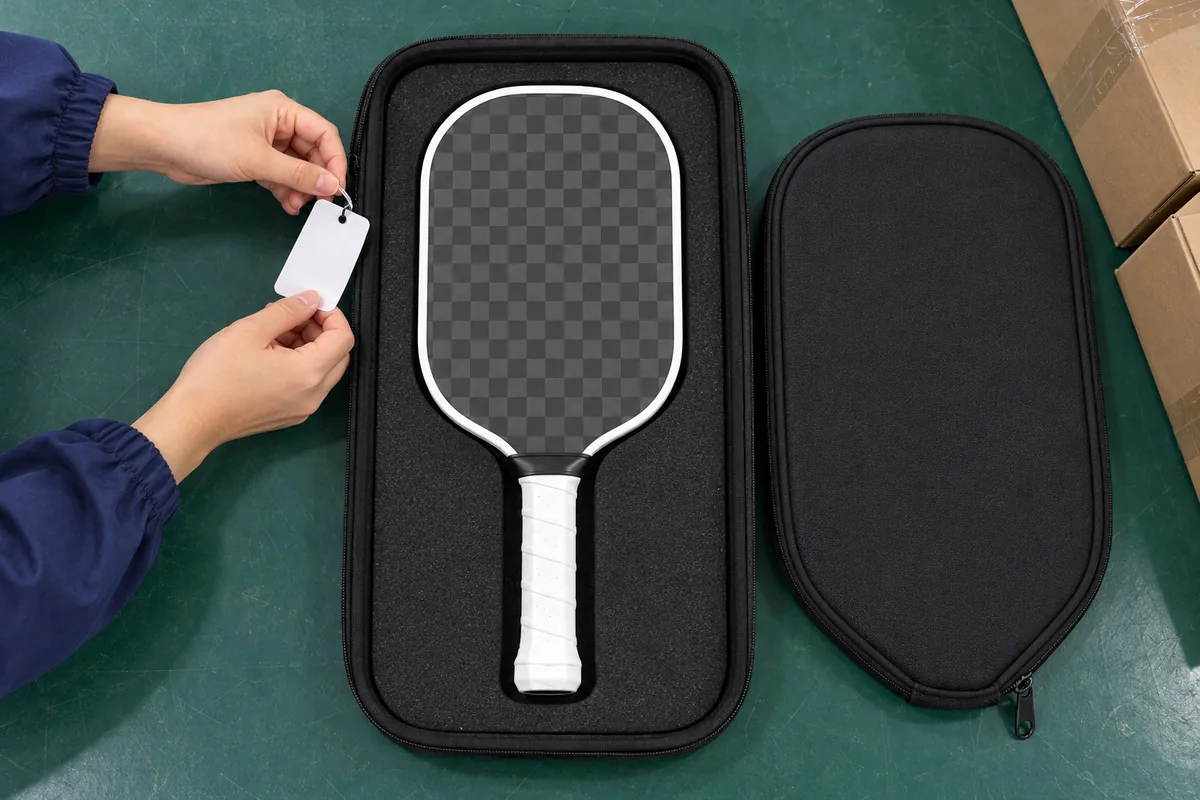
At the production handover, a request marked only “private mold” leaves the operator with a question: private for which customer and which job? I match the agreed tool reference to the customer's production requirement before discussing allocation. A recognizable product is not enough when two projects have similar outlines, so the next step is a clear tool-to-order connection rather than a guess from appearance.
That connection belongs alongside the configuration used for the order. The face, core and finishing details do not disappear because the mold is dedicated. Our manufacturing process covers several stages, and the tool-use instruction must remain understandable as the job moves through them. Ask how the relevant restriction will reach the people arranging production, without demanding access to unrelated customers' information.
A photograph of the accepted sample can help the team recognize the intended product. It is supporting information, not the whole exclusivity agreement. The written instruction still needs to identify the tool and the permitted customer orders, particularly when later products share similar graphics.
Define the customer and the boundary
Use the contracting customer's correct identity. If another business in your group will place orders, discuss whether those orders are included. A familiar brand name and a different purchasing company can otherwise create uncertainty about who is allowed to authorize production. The answer should be agreed, not inferred from a logo.
Also raise any concern about duplicate tools, modified versions or work at another location. These are questions for the contract discussion, not additional policies we can assume from the basic use restriction. Keep each requirement connected to the risk you want to address so the agreement remains specific and workable.
| Operating question | Point to agree | Why it affects the purchase |
|---|---|---|
| Which customer's orders are allowed? | Named customer and any agreed related entities | Avoids uncertainty when ordering identities differ |
| Which tool is restricted? | Identified mold and covered version | Keeps a similar-looking tool from being mistaken for it |
| What changes need approval? | Agreed authority and process | Prevents an informal request from redefining the arrangement |
| What about additional tools or locations? | Separate, explicit discussion | The basic restriction should not be stretched silently |
Protect information without confusing it with use
A mold can be reserved while the associated design information still needs a confidentiality discussion. WIPO explains that trade-secret protection involves reasonable steps to keep information secret 5. Identify the drawings and project information you need protected, rather than assuming that all information has the same status.
A non-disclosure agreement 6 addresses disclosure of confidential information. It should not be treated as a replacement for the tool's permitted-use terms. Where both matter, ask your adviser to make the provisions work together without making one vague sentence carry two different obligations.
What Should We Agree Before Changes or the Relationship Ends?
A tool agreement should still make sense when the original project changes. Waiting until a mold needs attention or a buyer wants to move production leaves important decisions too late.
Discuss maintenance, modifications, storage, inactivity, transfer and end-of-project arrangements before committing funds. Record the agreed responsibilities and costs; do not assume free maintenance, indefinite storage or an automatic right to remove the tool.
Decide how changes will be approved
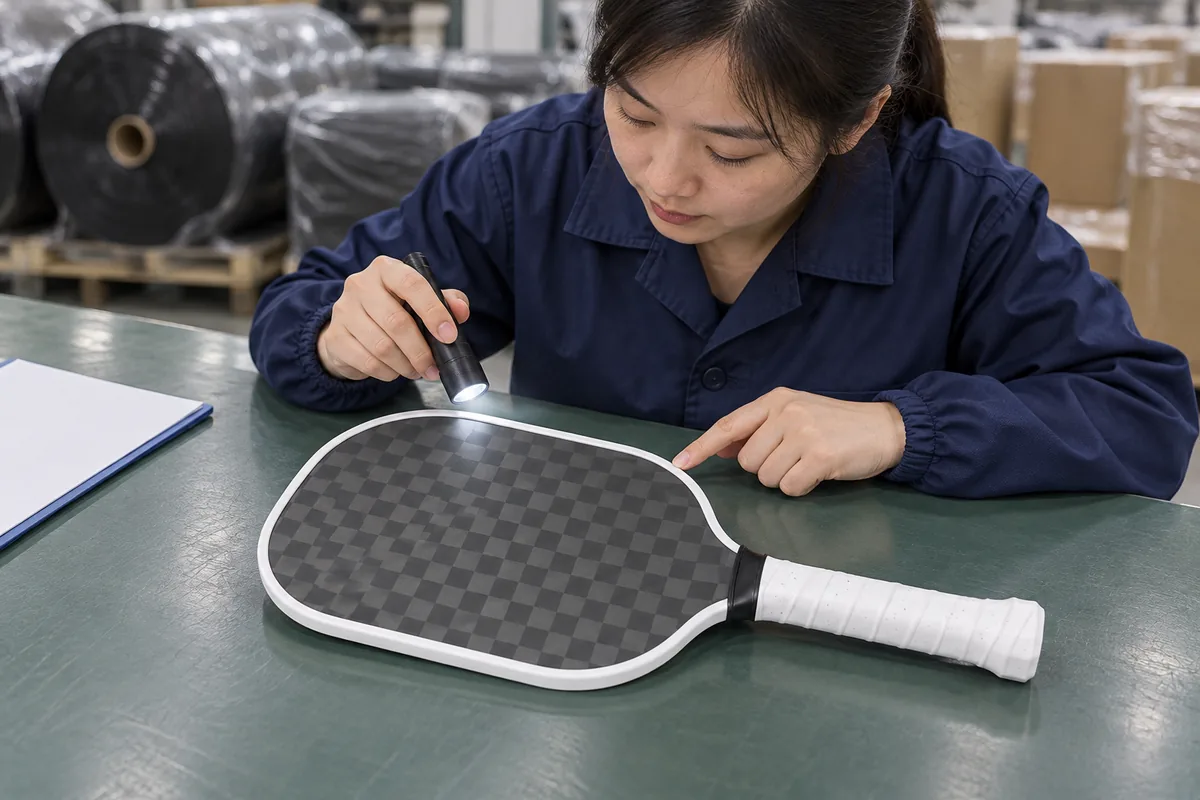
When a repeat-order request includes a changed outline, I compare it with the accepted sample before treating it as routine replenishment. If the requested change affects the tool, I separate it from the unchanged order specification because the old approval cannot answer the new development question. The buyer then decides whether to keep the existing version or request a separate proposal for the change.
This is why a preserved sample and current drawing are useful beyond the first order. The sample-to-production sequence connects approval of the specification with the later production run. They help explain what changed without making the sample itself a legal ownership document. Ask who can approve modifications, how the cost will be agreed and whether the earlier version remains usable. Those answers depend on the proposed work and the agreement.
A written contract variation 7 is preferable to assuming an informal change leaves every earlier term untouched. State what changes and what remains in force. Keep the discussion focused on the actual revision instead of reopening unrelated commercial points by accident.
Ask about care and inactivity
Maintenance responsibility, repair approval and storage arrangements should be discussed explicitly. We have not established a universal free-maintenance period, tool-life guarantee or indefinite-storage promise here. If one of those terms is essential to your decision, request it before accepting the proposal so both parties can answer it properly.
Think about a long gap between orders as well as normal repeat production. Ask what happens if the product is discontinued, the tool is no longer suitable or the customer cannot be reached. The purpose is not to predict every possible event; it is to keep a foreseeable commercial question from becoming an argument over an unstated assumption.
Plan the handover rather than assuming it
If you need the option to transfer a tool, discuss the right, conditions, costs and practical handover requirements in advance. Physical movement, file delivery and suitability for another manufacturing setup are separate matters. Do not treat a tool-use promise as confirmation that every one of these has already been agreed.
Some obligations can continue after a contract ends 8, including obligations the contract keeps in effect. Have your adviser check the closing arrangements and applicable law before acting on a termination or transfer. A clear exit discussion protects the investment better than an ownership label that no one has tested against the actual terms.
Conclusion
Our existing molds are shared tooling, not customer-exclusive assets. When you fund a new mold, we can restrict it to your orders. Start with that clear distinction, then agree the ownership and operating terms your project actually needs. A specific tool, a defined use restriction and explicit answers about the future are more useful than an unsupported promise that everything is included.
Discuss Your Paddle and Tooling Requirements with Rudy
Send the shape or sketch, intended configuration, enquiry quantity and the mold rights you need us to discuss. For a starting configuration, review our custom 12K carbon fiber paddle. Identify whether you want an existing mold or a customer-funded development, and list ownership, dedicated-use or transfer requirements separately.
Rudy · Factory Partner · info@shuenpickleball.com · WhatsApp +86 137 1215 6638