The buyer scenarios below illustrate common decisions; they are not reports of named customer projects.
A distinctive paddle outline can make a brand recognizable, but a new mold adds cost before you know whether players want the shape. At SHUEN, I start by asking what an existing outline cannot achieve.
Using our existing paddle mold avoids the cost of developing a new shape mold, but the outline can resemble other paddles on the market. A private mold lets you develop a shape for your brand, with added tooling cost and the risk that players will not like it. Choose it when the shape serves a clear buyer need, then validate the proposed design before committing to production.
Here is how I separate branding from shape development, compare the quotations, define the tooling agreement, and check whether the new outline deserves the investment.
When Is an Existing Paddle Mold the Better Starting Point?
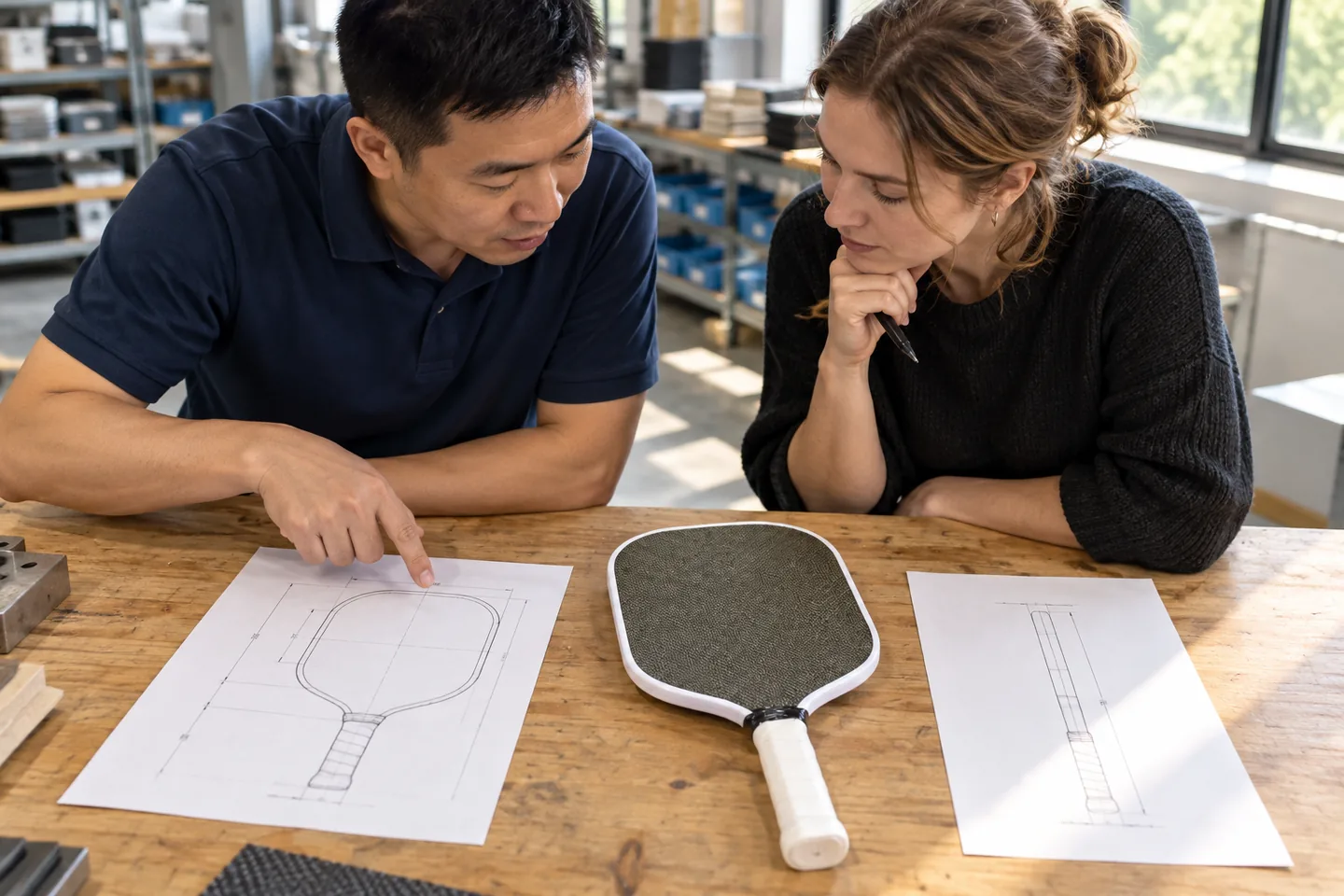
For a first product line, I want to know whether the buyer needs a different physical outline or simply a paddle that carries their own identity. Those are different requests.
Start with an existing mold when an available shape meets your requirements and your main changes are materials, construction, graphics, or component appearance. You can develop a branded paddle without commissioning a new head-shape mold.
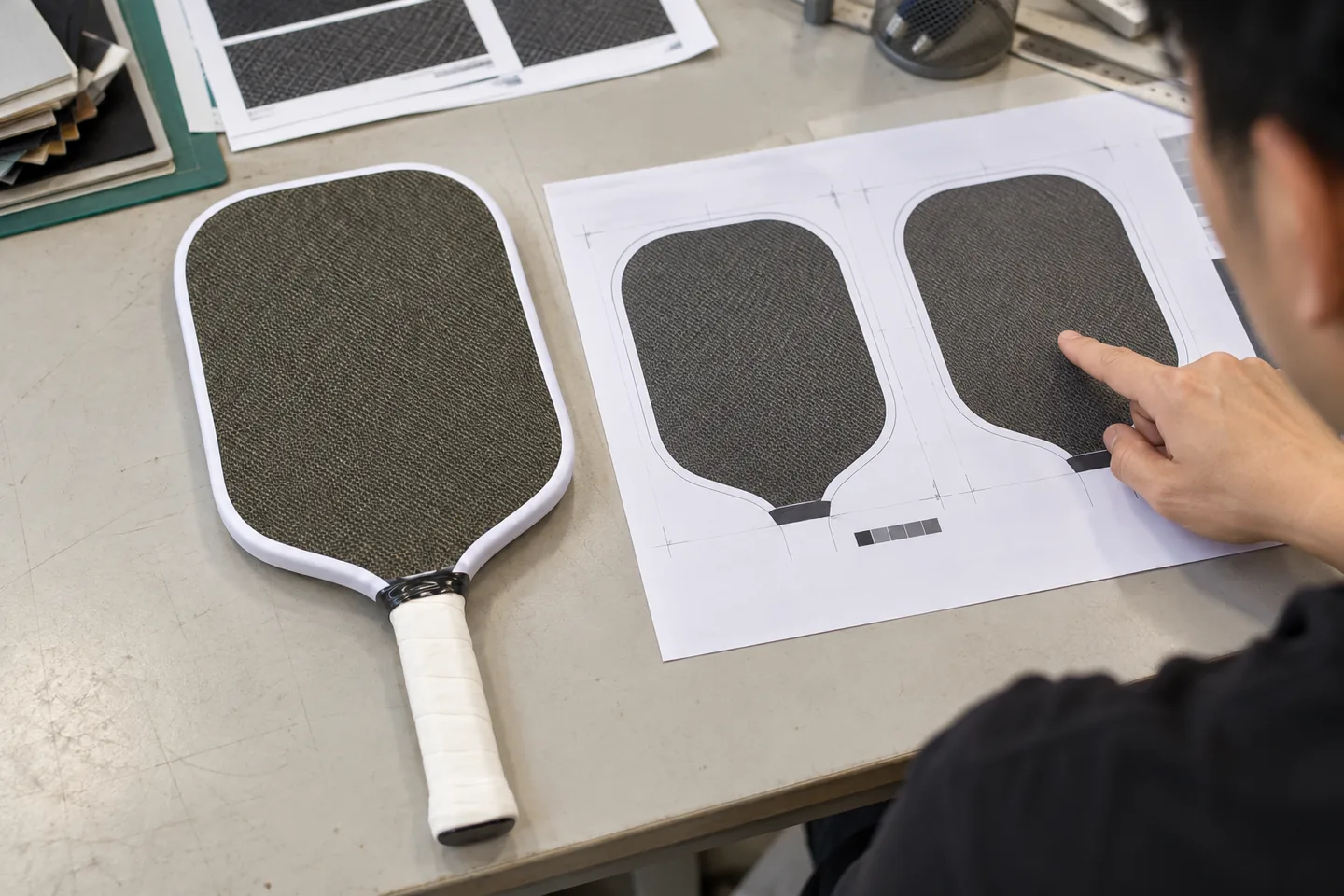
A brand owner in Auckland, New Zealand, preparing a first range has a practical question: “If I use your shape, will the paddle still look like our brand?” I separate the outline choice from the front and back artwork, grip color, edge details, and butt-cap request. The brief then identifies which choices use existing options and which need separate development. The buyer can review the branding without treating a new outline as the only route to a custom product.
Separate the outline from the complete build
An existing mold describes a starting geometry, not every detail of the finished paddle. Face material, core, thickness, and appearance still need confirmation. Our custom T700 paddle is one starting point for discussing a configured product; it does not require every buyer to choose the same core or artwork.
| Decision | Existing mold | Private mold |
|---|---|---|
| Paddle outline | Choose an available shape | Develop the agreed brand-specific shape |
| New head-shape tooling | Avoid developing a new shape mold | Add tooling development to the project |
| Visual distinction | Build identity through graphics and components | Add a different outline to the brand identity |
| Main uncertainty | Whether the available build suits your buyers | Whether the new shape suits buyers and can be made as intended |
The drawback of the existing route is straightforward: the silhouette may be similar to other market offerings. That matters if your product strategy relies on a recognizable shape. It matters less when your customers prioritize a particular configuration, clear branding, and a sample they like.
Keep the artwork handoff complete. Adobe's Illustrator file-packaging guidance 1 explains how linked graphics and a package report travel with a design file. Agree on font handling and the selected paddle template with your designer. An editable file still needs an approved visual proof.
How Should I Compare the Full Cost of Both Mold Options?
I keep tooling separate from the paddle unit price. Otherwise, the cheaper-looking quotation can hide an expense that only appears after the buyer approves the direction.
Compare the same face, core, thickness, branding, quantity, and packaging. List mold development and other one-time charges separately, then compare the total project cost at the quantity you realistically expect to order.
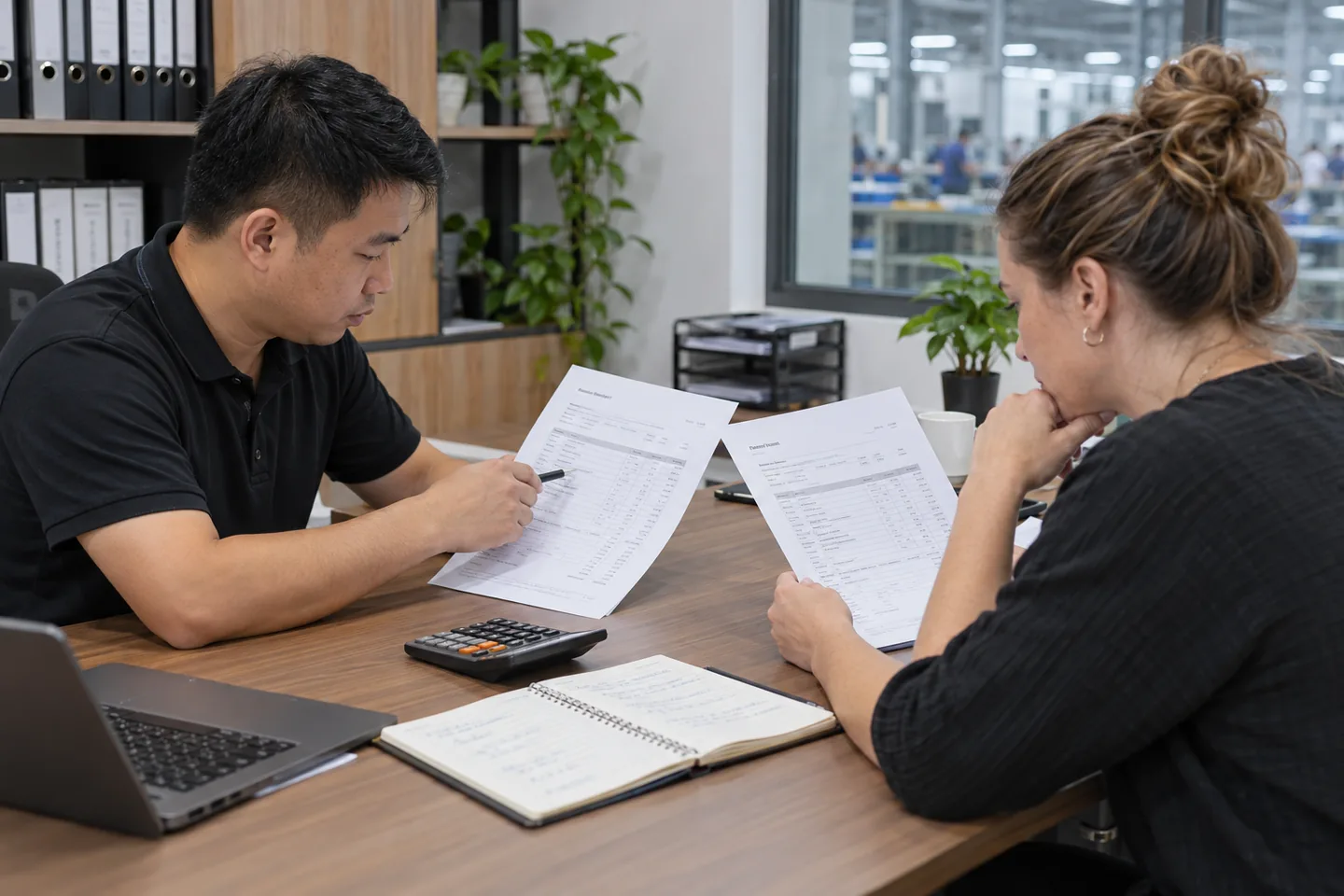
For a specialty retailer in Wellington, New Zealand, comparing launch budgets, the question is: “Can the private mold become cheaper once we reorder?” I put the tooling charge and recurring paddle cost on separate lines and ask the retailer to distinguish a committed first order from hoped-for reorders. The comparison shows the cost for the order being considered, without assuming future sales will recover the investment.
| Cost item | What to ask the supplier | Why to separate it |
|---|---|---|
| Shape mold | Development scope, quoted fee, and payment stages | Identifies the new geometry investment |
| Drawing or prototype work | What is included and what is extra | Prevents an incomplete tooling comparison |
| Revisions and trial samples | Included rounds and charges for further changes | Shows the cost of changing the design |
| Finished paddle | Price for the same agreed configuration and quantity | Makes the recurring cost comparable |
| Branded components | Whether a ring or butt cap needs its own tooling | Keeps component molds separate from the paddle-shape mold |
| Packaging and delivery | Scope and destination-based quotation | Avoids comparing delivered and undelivered totals |
For planning, divide the quoted one-time development cost by the number of paddles over which you intend to allocate it, then add that amount to the recurring unit cost. This is a budget calculation, not a promise about sales or future pricing. Compare a first-order-only case with a conservative reorder case.
Do not invent a tooling payback point if the quotations are incomplete. Ask us to price the two routes against the same specification. The custom paddle brief guide helps organize the build information needed for that comparison.
What Must Be Agreed Before I Pay for a Private Mold?
“Our own mold” can describe a brand-specific outline, ownership of a physical tool, or a restriction on who may use it. I ask the buyer to separate those meanings before the development scope is approved.
Agree on the drawing revision, tooling scope, approval process, and intended use of the mold in writing. Define ownership, exclusivity, storage, maintenance, and future access explicitly; payment alone does not explain all of those terms.
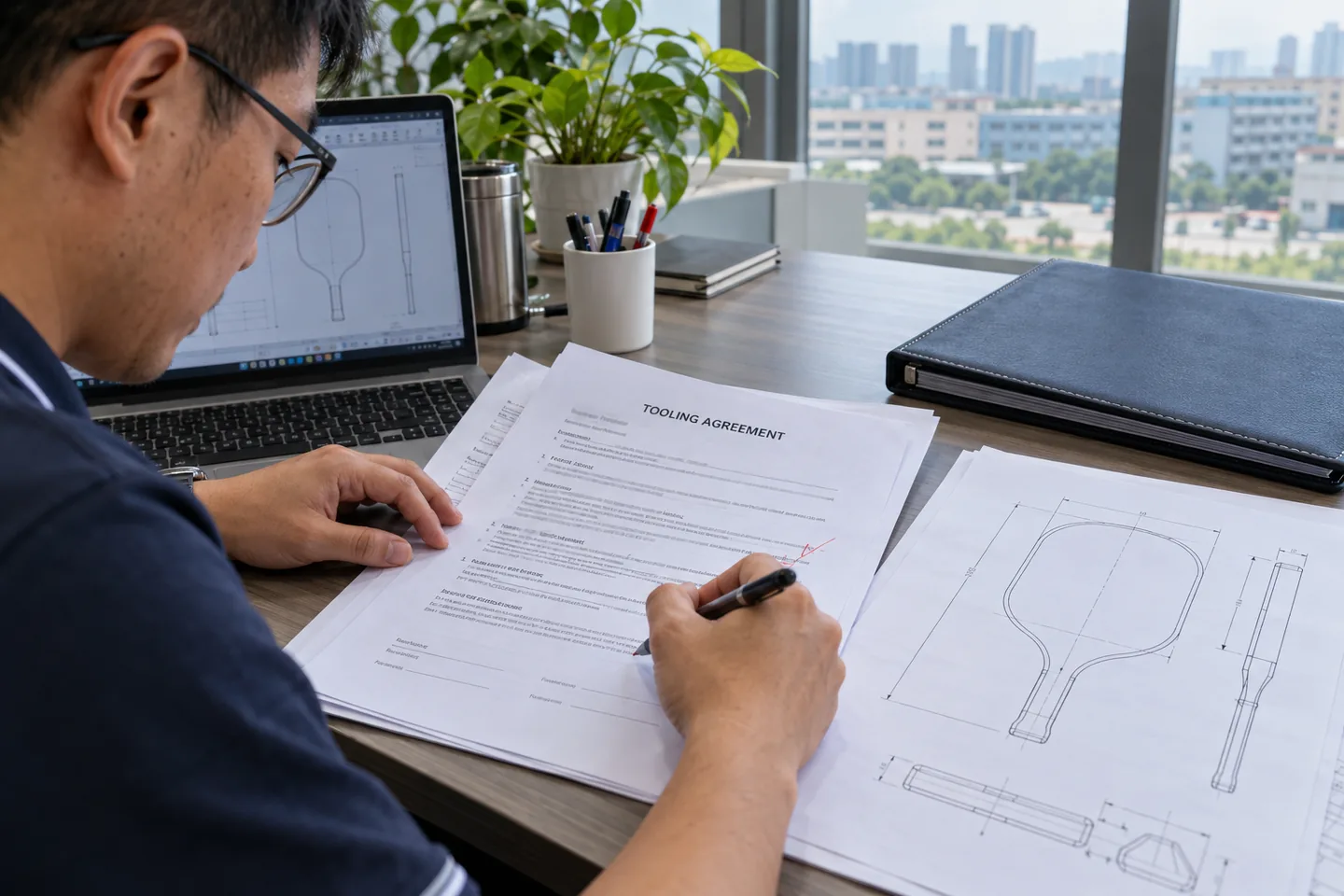
A private mold gives you the opportunity to develop a different outline. Whether that outline is reserved for your brand is something both parties must agree. Whether a design has legal protection is a separate issue. WIPO's industrial design overview 2 explains the role of product appearance in design protection. It does not establish rights in your particular paddle or replace the agreed tooling terms.
| Confirmation item | What the written record should identify |
|---|---|
| Geometry | Approved outline, dimensions, handle details, and drawing revision |
| Development scope | Tools and operations included, prototype stages, and revision responsibility |
| Approval | What is reviewed before tooling and before production release |
| Ownership and permitted use | Parties, covered tool and design, and any agreed restrictions |
| Storage and maintenance | Custody, upkeep responsibilities, and any charges |
| Future access | Reorder use, agreed transfer arrangements, and end-of-project handling |
I also check which changes affect the edge guard and other fitted components. A new head outline is not just a new print template. The engineering review must identify how the agreed parts fit together before promising the finished build.
How Do I Check Whether Players Will Want the New Shape?
The biggest private-mold risk in your brief is not simply the tooling fee. It is paying for a shape that looks distinctive in a drawing but does not suit the people who will buy it.
Define the intended player and the problem the new shape should solve. Review the geometry, use an appropriate prototype to check form and handling, and evaluate a representative finished sample before approving the production build.
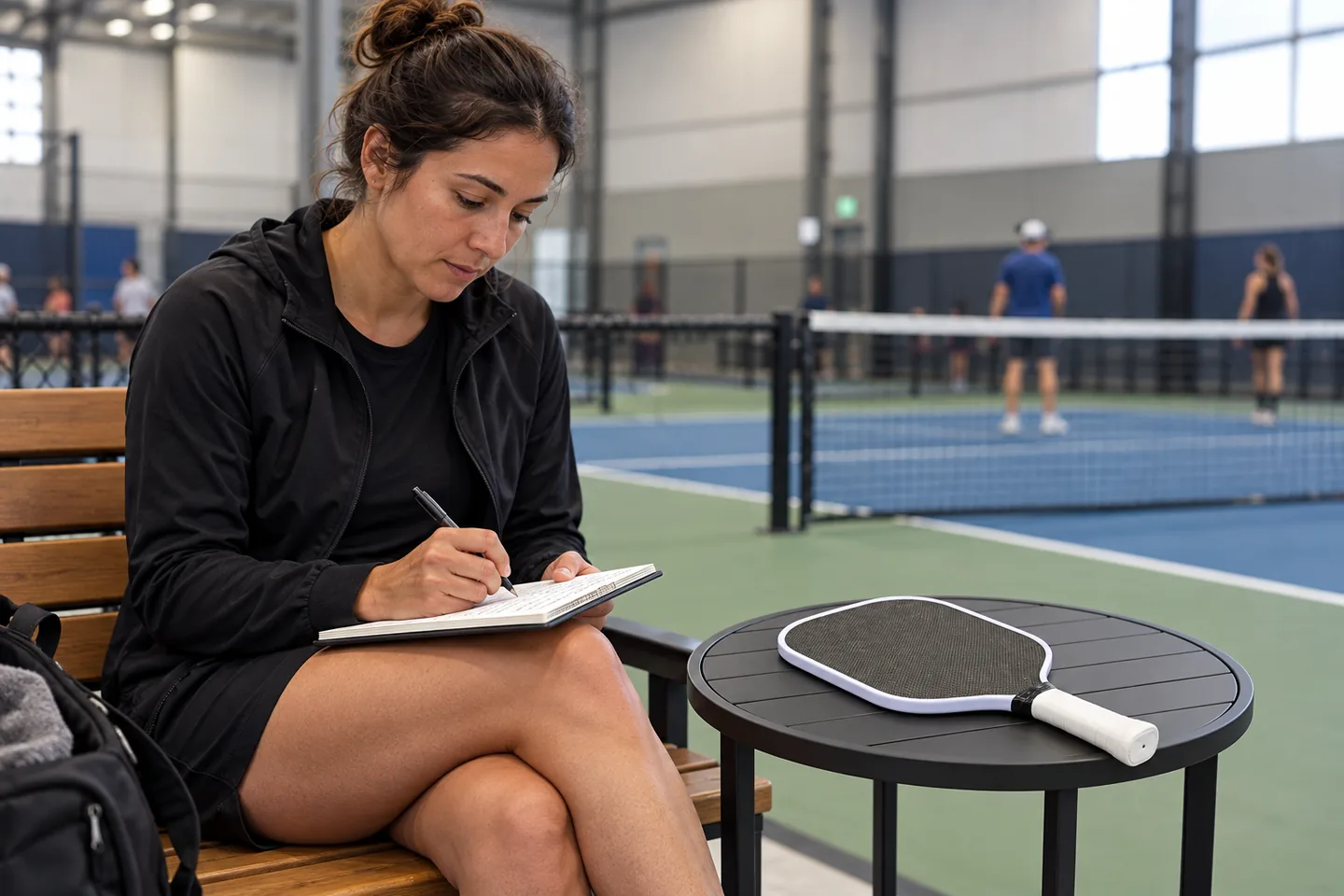
A club-focused brand in Christchurch, New Zealand, considering a longer handle needs to answer: “Will this change help our players, or just make the outline different?” I ask the buyer to identify the handling issue and compare the proposed dimensions with the existing sample. We separate feedback about grip space from comments about artwork. The next revision follows a specific player need rather than a general request to make the paddle unusual.
Ask target players what they prefer and what causes difficulty. Record the sample configuration, the activity they used it for, and their specific comments. A longer handle or a different width is a development choice to evaluate, not evidence of better performance by itself.
Autodesk's rapid prototyping guidance 3 describes using digital and physical prototypes to review designs before manufacturing. For this paddle decision, a shape mock-up can help assess dimensions and grip space. It cannot stand in for a finished paddle when evaluating the selected face, core, thickness, and playing response.
If feedback remains unclear, keep the existing-mold route open while revising the proposal. If a private shape addresses a clear need, confirm the drawing and the development stages before proceeding. Our sampling-to-production guide explains how accepted samples and production instructions connect.
Conclusion
Use an existing SHUEN mold when an available shape fits the product brief and you want to avoid developing a new shape tool. Consider a private mold when your brand needs a specific outline and you can support the added development cost. Confirm what you are buying, what use is reserved for your brand, and whether the proposed shape works for the intended players.
Compare the Two Routes for Your Paddle
Start with our custom T700 paddle, then send your preferred existing shape or proposed outline, face material, core, thickness, branding, quantity, target players, and destination. Tell us what the available shape cannot achieve so we can discuss the appropriate development scope.